Learning as Living Tradition

The Manganiyar Classroom

An intimate, powerful exploration of transmission—how music is learned, lived, and carried forward across generations.

Knowledge through immersion

Conceived by Roysten Abel, the work opens a rare window into the pedagogical heart of the Manganiyar community, where knowledge is not taught through instruction alone, but through immersion, observation, and shared presence.

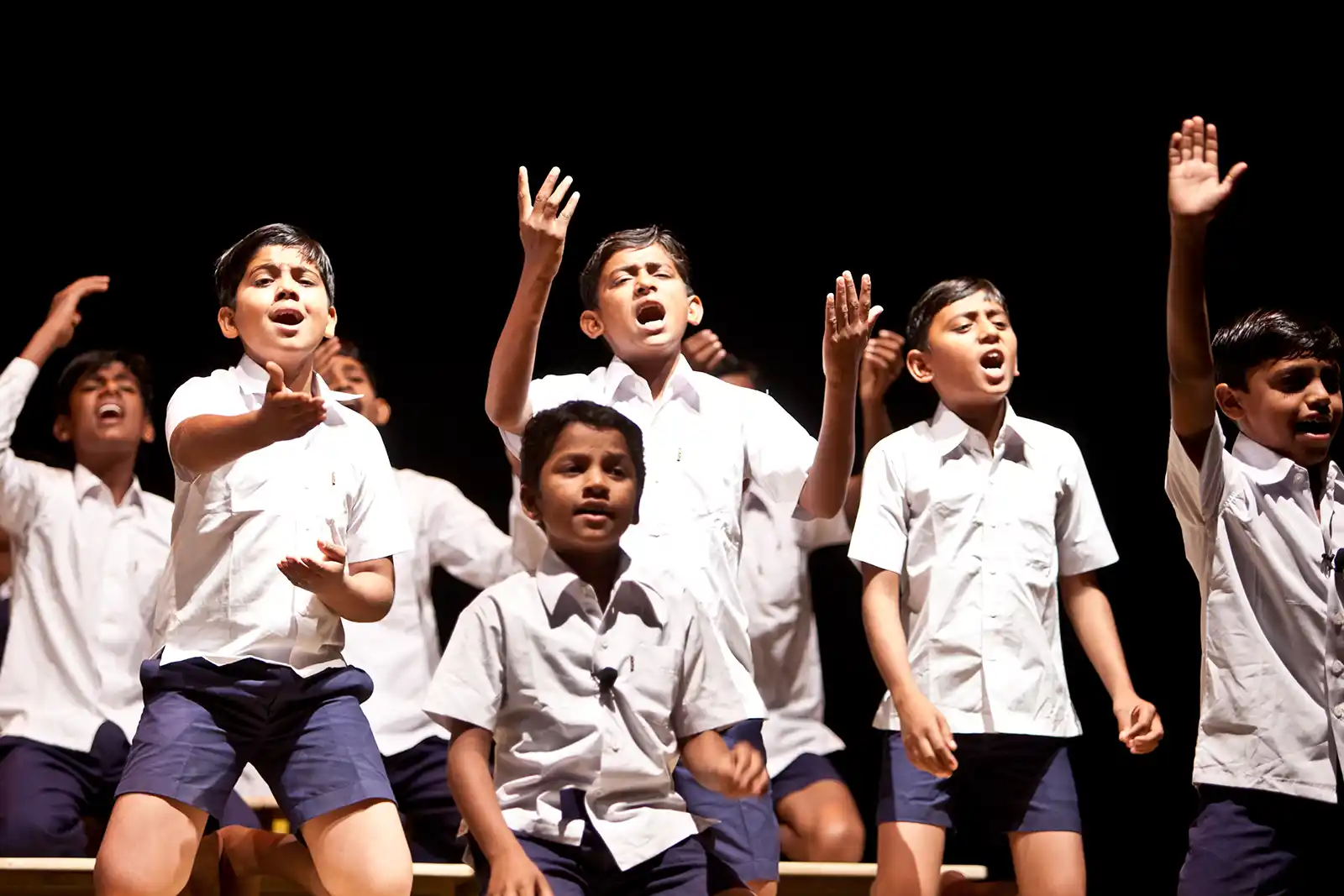
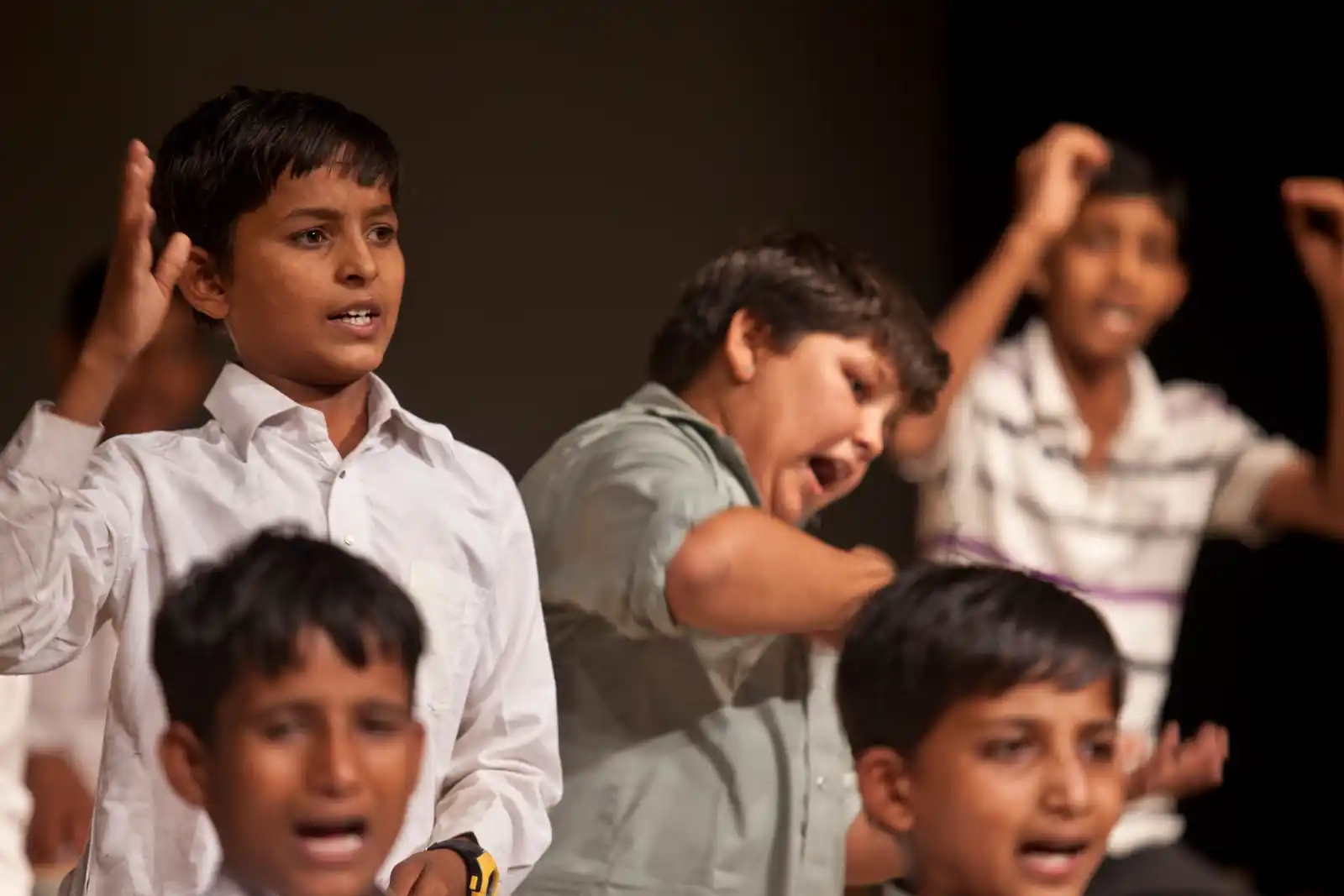
The Manganiyar Classroom is a simple yet profound act: elders teaching the young, in real time, through music.

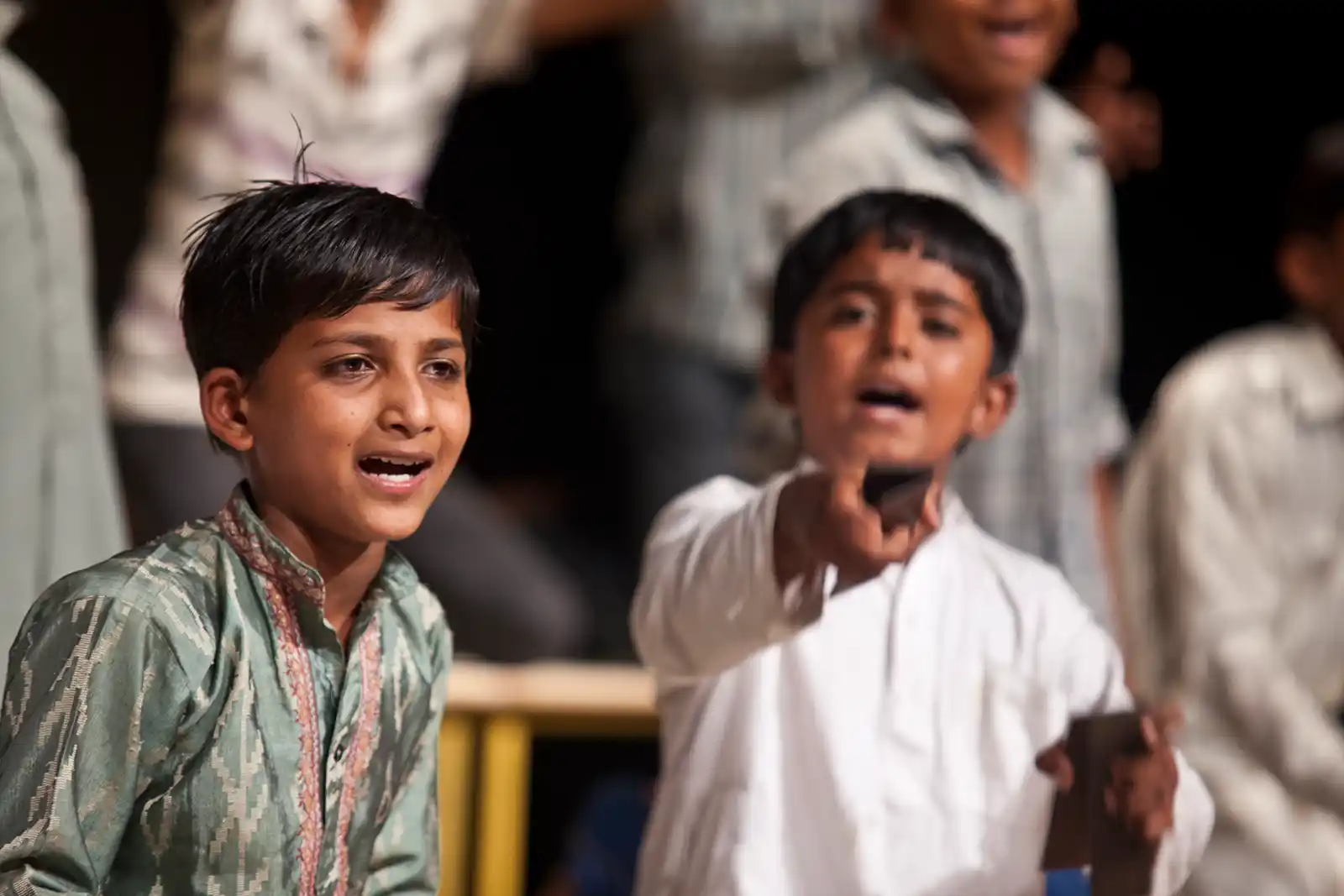
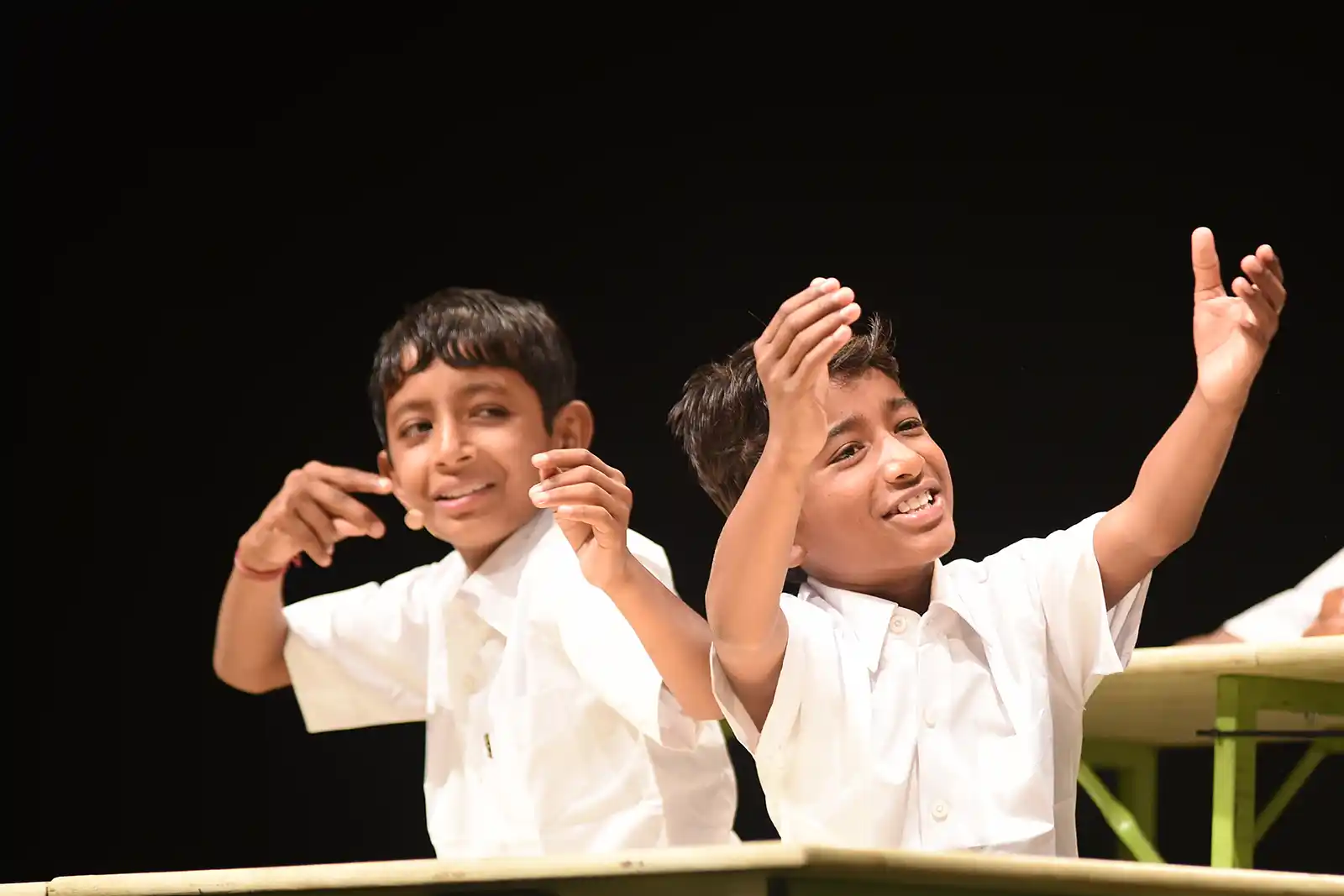
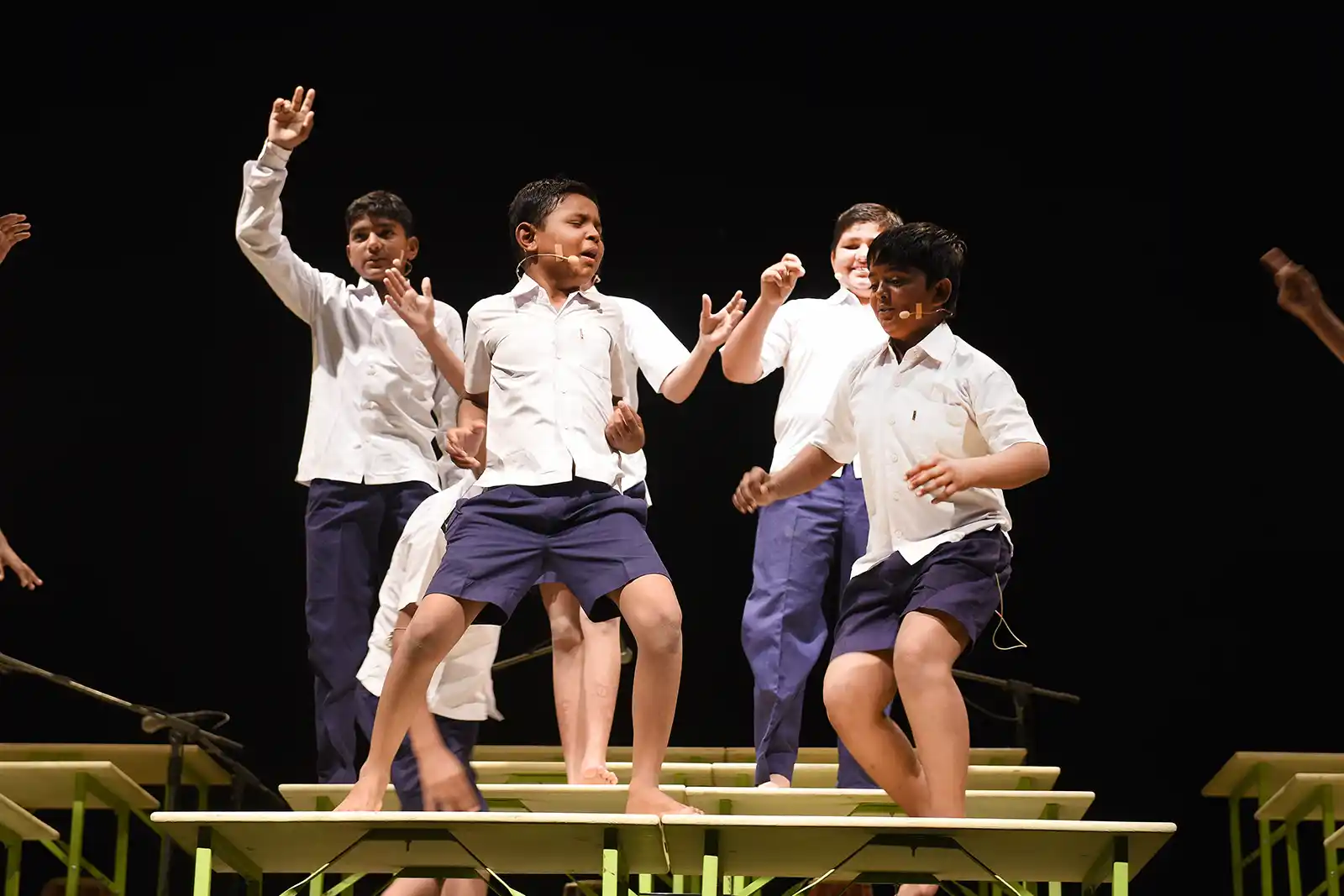
The stage becomes a classroom without walls. Senior musicians demonstrate, repeat, correct, encourage. Younger performers listen, imitate, and slowly step into their own voices. What unfolds is quiet, precise, and deeply moving. There is no spectacle imposed. The drama lies in attention—in breath held, rhythms repeated, and the moment a student finally gets it right.

The Manganiyar Classroom was commisioned by Bhoomija.

The performance

Intimate

A close encounter with the fragile, powerful act of learning across generations.

Process-Driven

The work foregrounds transmission over performance, repetition over spectacle.

Living Pedagogy

Tradition revealed not as content, but as practice—shared, evolving, and human.

The Manganiyar Classroom

Tradition, passed hand-to-hand

In Manganiyar tradition, music is inherited, not archived. Songs travel through families, ceremonies, and everyday life. The Manganiyar Classroom foregrounds this living process of transmission.

Here, learning is collective. Mistakes are visible. Mastery is gradual. Authority is earned through generosity rather than command.

The audience is invited not as observers of a finished work, but as witnesses to culture in the act of becoming.
What makes The Manganiyar Classroom exceptional is its refusal to polish or dramatise the act of teaching. Instead, it honours slowness, repetition, and humility.

The performance allows audiences to experience something usually kept private: the vulnerable space where tradition is shaped, questioned, and renewed. It is both instructional and poetic—revealing how discipline and devotion coexist.

Still Teaching. Still Learning.